
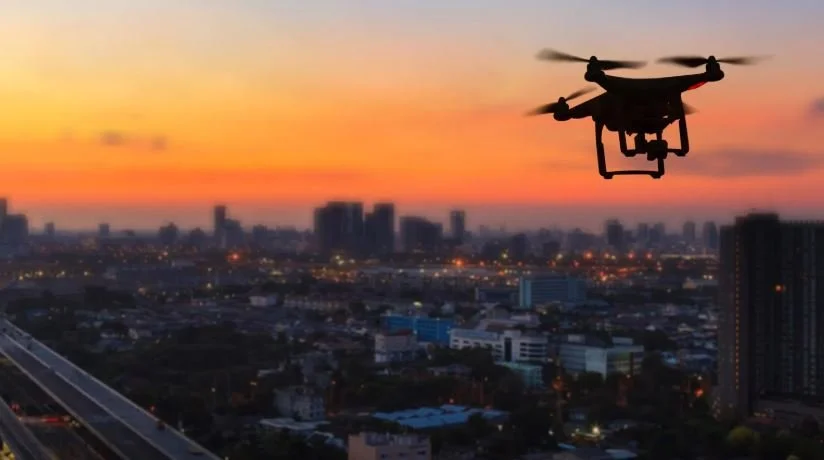
Drone Inspections:
A practical guide for building owners and asset managers
Turning building data into
Predictive Maintenance
Introduction
Roof inspections play a critical role in keeping buildings safe, compliant, and financially predictable.
For many organisations, however, inspecting roofs has traditionally meant extra cost for scaffolding and access equipment, leading to disruption, and the danger of working at height.
Using imagery taken from a drone (or UAV, which stands for Unmanned Aerial Vehicle) offers a safer, more efficient and more precise alternative.
This guide explains what drone building inspections are, how they work, what influences cost, and how inspection data is then used to manage a building as an evolving asset.
In turn, this supports planned maintenance and risk reduction across commercial and public-sector buildings.
Read on to find out more or visit our Insights page for articles covering everything you need to know about using drone inspections to proactively manage your property portfolio.
What is a drone inspection?
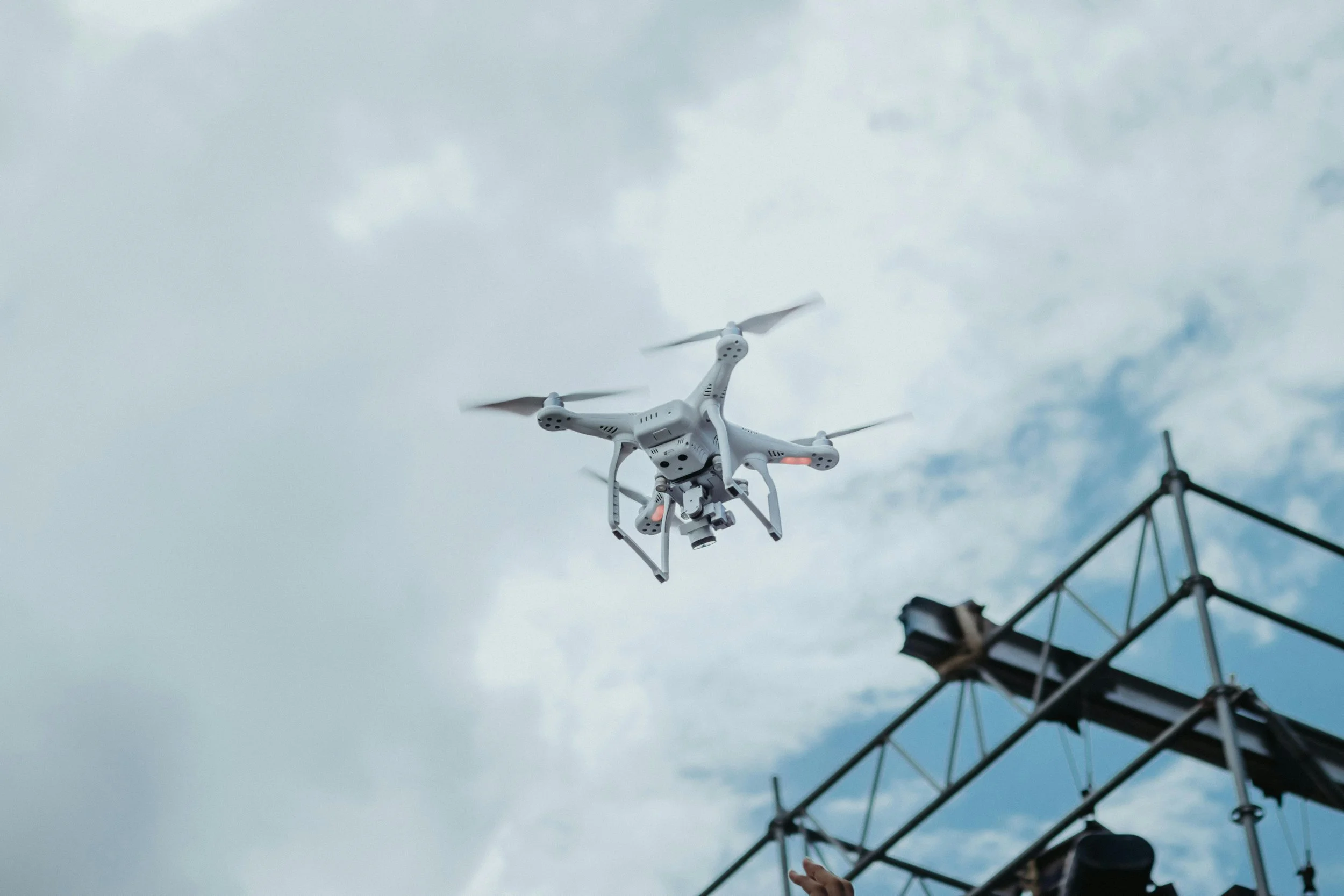
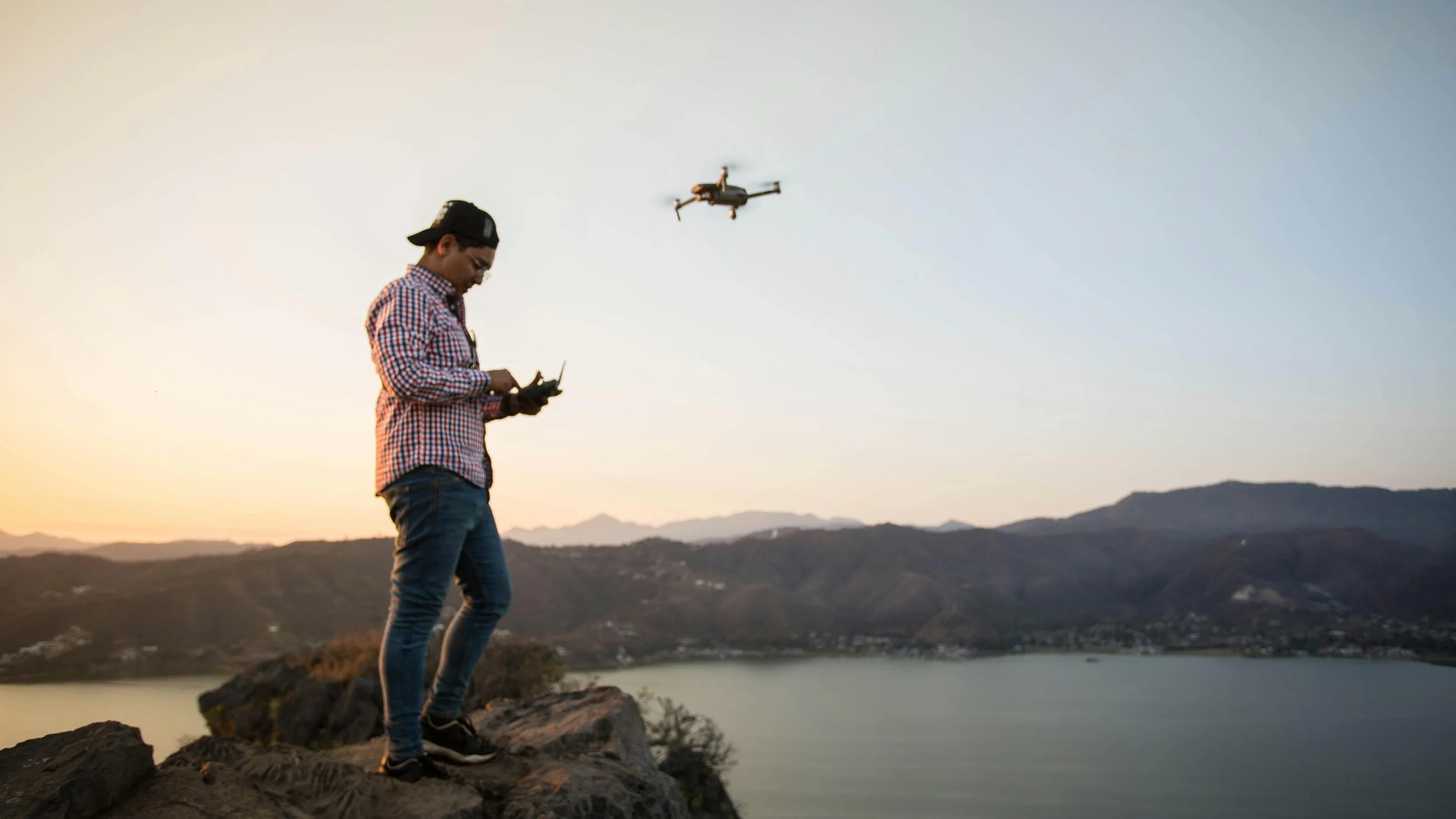
A drone roof inspection uses remotely piloted aircraft to capture detailed visual data across roof surfaces, façades, and other hard-to-access areas.
Instead of relying on temporary access or limited visual checks, drones provide:
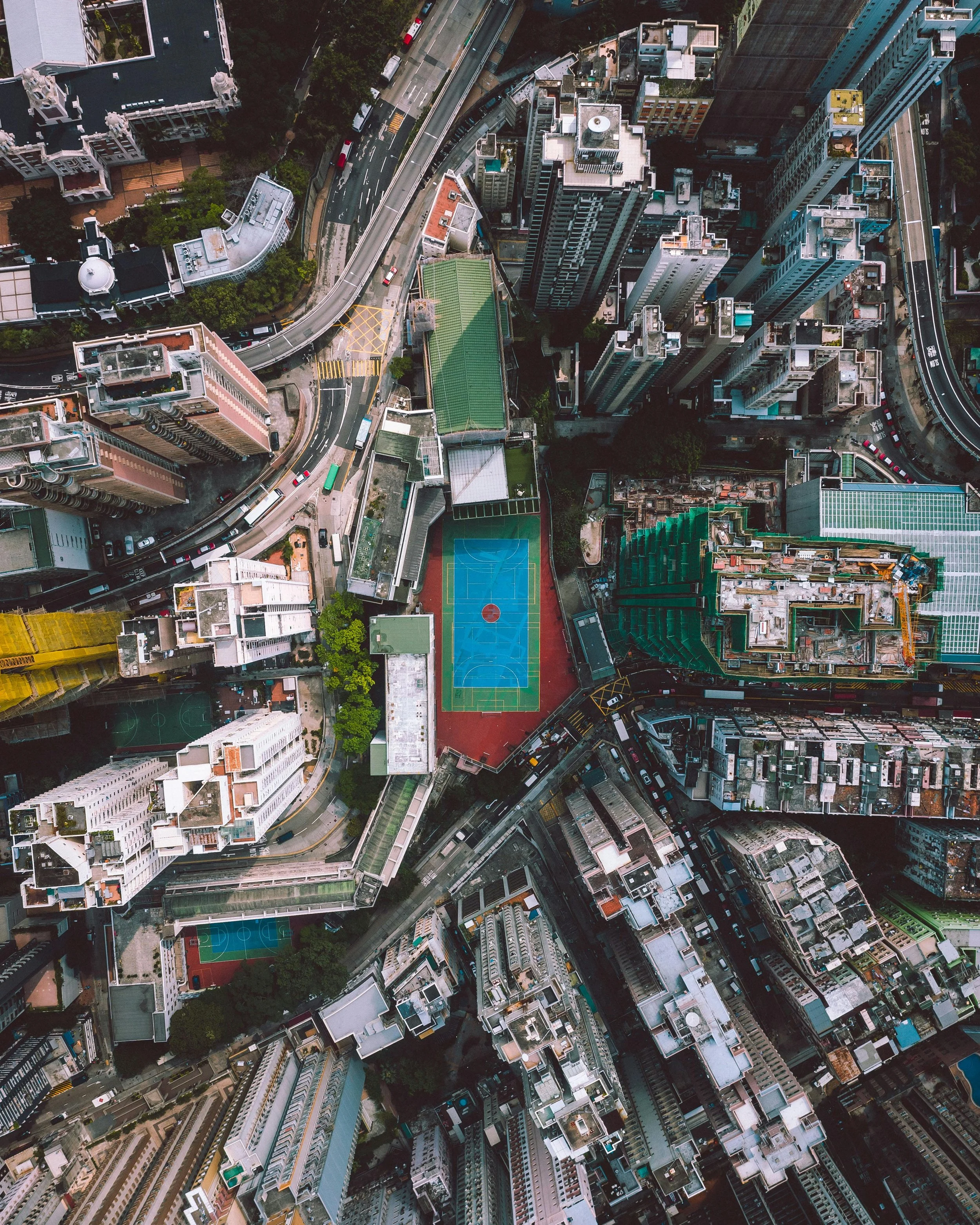
High-resolution imagery across the full roof area
Consistent coverage without physical access
A permanent visual record of asset condition
At Ovrsite, drone inspections are combined with structured analysis and our AI tool that’s been trained on over 30,000 images.
We turn raw imagery and data into simple reporting on an interactive portal, which gives you the power to make maintenance decisions, rather than just documenting issues you find when a contractor visits.
How drone inspections work
Drone inspections follow a CAA-compliant, controlled and repeatable process designed to prioritise safety and data quality, whilst minimising any site disruption.
In simple terms, the process includes:
Pre-flight planning and site assessment
Controlled data capture using pre-determined waypoints and high-resolution sensors
Hundreds of overlapping images captured so every millimetre of your building is quantified
Post-flight analysis and, with Ovrsite, an AI-powered automatic detection system to identify noticeable findings
Delivery of a clear, usable inspection report on our live portal
Recommendations on remedial work, risk scoring and CAPEX forecasting
If you would like a detailed breakdown of each stage, this article explains the full process from start to finish.
Why organisations are moving away from traditional building inspections
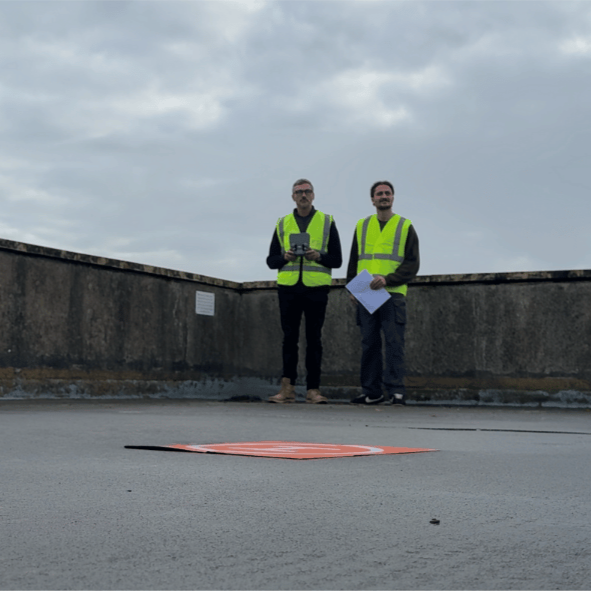
Traditional roof inspections often involve scaffolding, cherry pickers, or operatives working at height. These methods introduce risk, cost, and site disruption, particularly on large or occupied buildings.
Drone inspections reduce these challenges by:
Removing the need for working at height
Minimising disruption to occupants, staff and tenants
Speeding up inspection timelines
Capturing reliable, repeatable data for future comparison
For many organisations, this shift is as much about risk management as it is about efficiency.
Who benefits most from drone inspections?
Drone roof inspections are used across a wide range of sectors, particularly where buildings are large, complex, or managed as part of a wider estate.
Common users include:
Facilities and estates managers
Commercial landlords
Housing associations
Local authorities
Industrial and logistics operators
Insurers and loss adjusters
They are especially effective for planned maintenance programmes and portfolio-wide condition assessments.
How much does an inspection cost?
This article explains inspection costs in more detail and outlines what typically influences pricing.
Costs of a drone inspection typically depend on factors such as:
Roof size and complexity
Whether the inspection is roof-only or includes the entire building with 3D visualisation
Number of buildings to be inspected
Level of reporting required
Whether thermal imaging is included
At Ovrsite, we provide all of this in one complete package.
That means a safer, cheaper way to inspect your entire asset, with a level of detail unachieveable with the human eye.
Using data to prevent asset failures
Predictive maintenance.
That’s what Ovrsite provides its clients.
Many building issues develop gradually and remain unnoticed until water ingress or internal damage appears. Drone inspections allow these early signs to be identified before they escalate.
Common examples include:
Cracked or deteriorating membranes
Blocked drainage and ponding water
Mechanical damage
Thermal anomalies linked to moisture ingress
Used consistently, inspection data supports predictive maintenance rather than reactive repair.
Read next: Can drones detect damage before it becomes a crisis?
Getting started with Ovrsite
Drone inspections provide a safer, faster way to understand the condition of your roof and building, and plan maintenance with confidence.
Interested to see what you’re currently missing?
View our inspection services >
Turning building data into